
 中文
中文 English
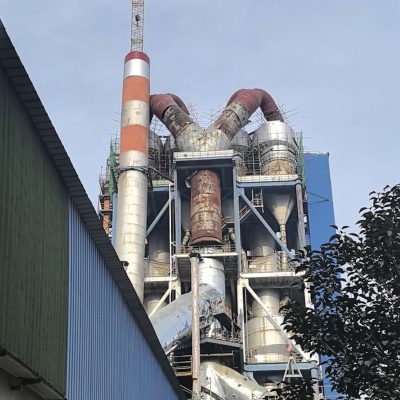
The high-temperature high-dust SCR auxiliary retrofit project at the kiln tail of Jidong Haitian Wenxi Cement, designed and executed by our company, has achieved stable successful commissioning.
Measured operational performance sets a new benchmark for similar partial retrofit projects in China, offering a cost-effective dust abatement solution for existing cement production lines. The scope incorporates critical optimizations via the C1 Cyclone Retrofit.
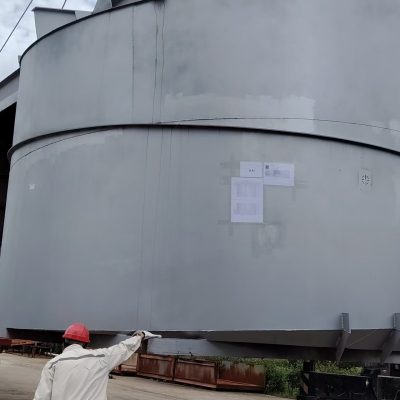
C1 Cyclone Retrofit for BBMG Cement in China
Accordingly, alongside the widespread roll-out of high-temperature high-dust SCR technology within the cement sector, the dust concentration at the C1 outlet directly governs catalyst erosion rate, fouling rate and service life.
Moreover, C1 cyclone optimization acts as an essential precondition for long-term reliable operation of the SCR system.
Prior to retrofit, the sustained C1 outlet dust concentration of the production line ranged from 92 to 100 g/Nm³.
Stringent boundary conditions were stipulated in the EPC contract: the C1 system pressure drop must not increase.
Conventional cyclone optimization for dust reduction normally results in higher flow resistance. This mandatory requirement significantly escalates design and construction challenges for the retrofit.
Reviewing existing domestic C1 retrofit references: most projects adopt full dismantling and complete replacement of the C1 cyclone, incurring substantial capital expenditure. In limited partial retrofit cases, post-upgrade C1 outlet dust concentration generally remains between 75 and 85 g/Nm³, frequently accompanied by elevated system resistance. This impedes operation of the induced draft fan and raises overall system power consumption.
Rejecting the full replacement strategy, our team implemented a partial cyclone optimization solution. Selected sections of the original C1 structure are retained, with targeted upgrades applied to the volute, inner cylinder and outlet duct. Maximised reuse of existing equipment drastically cuts overall expenditure covering civil works, fabrication, lifting and production downtime.
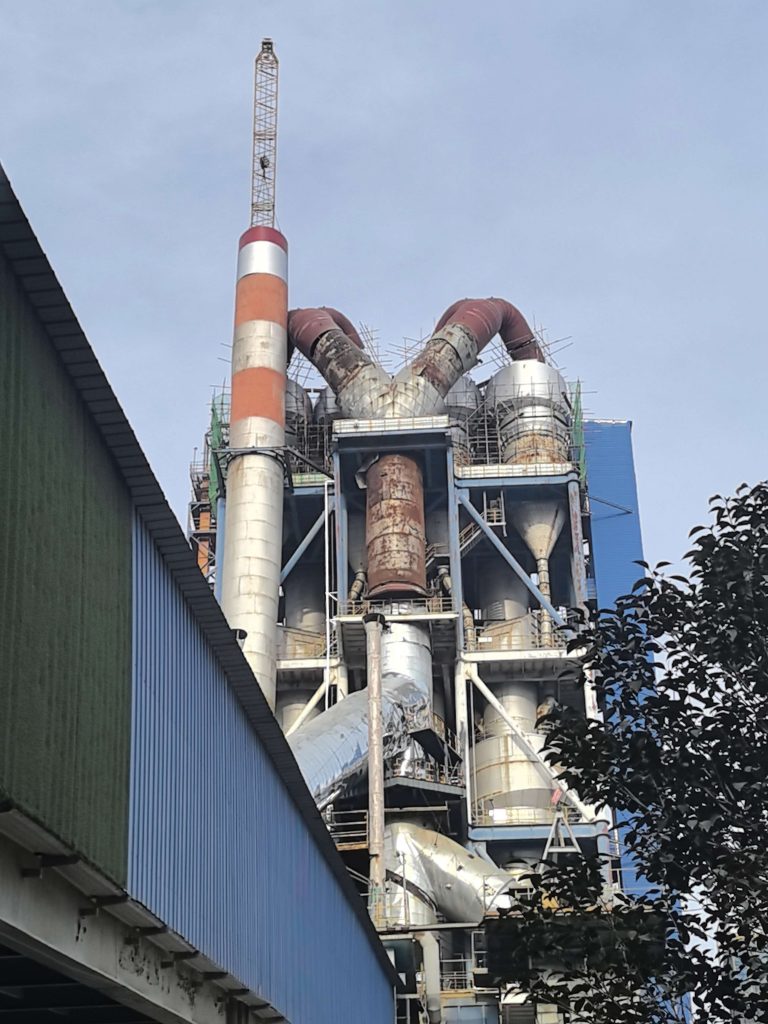
Validated through continuous monitoring under stable operating conditions:
✅ C1 system pressure drop fully meets contractual requirements with no rise;
✅ Average C1 outlet dust concentration reduced to 61.7 g/Nm³.
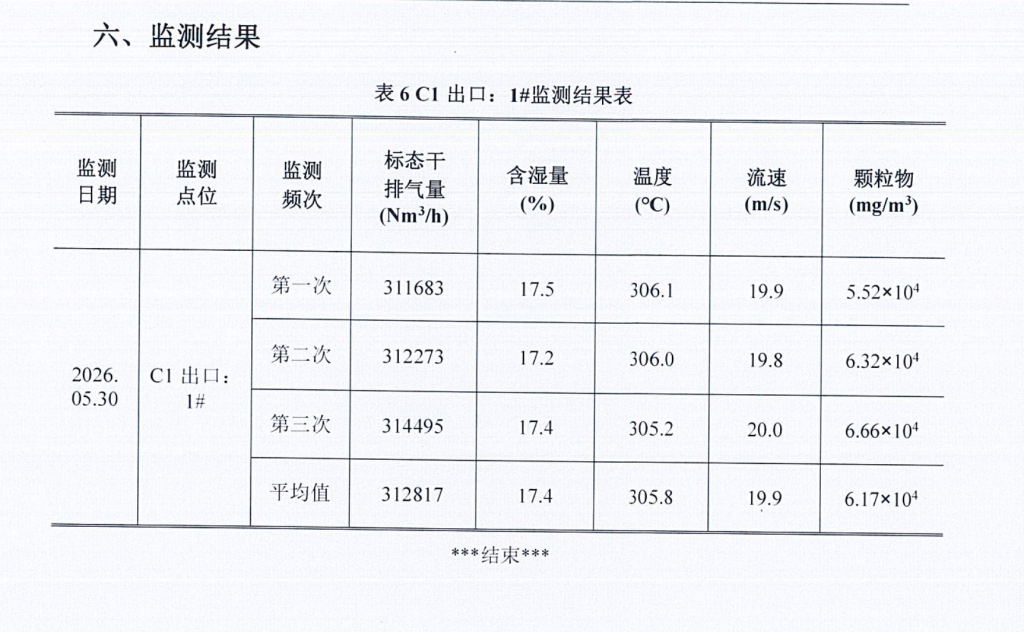
The dust removal efficiency exceeds 33%, with markedly improved gas-solid separation performance.
Reduced inlet dust effectively mitigates erosion and ash fouling on SCR catalysts. This extends catalyst service life, lowers sootblowing frequency and cuts O&M costs of the denitrification system.
Additionally, this solution delivers a pioneering three-pronged breakthrough: partial system modification + no increase in system pressure drop + ultra-low outlet dust concentration, which differentiates it from conventional retrofit approaches adopted across the industry.
Against the backdrop of ultra-low emission compliance and pervasive SCR retrofits for existing cement lines, the successful operation of this project verifies that profound dust reduction can be accomplished without full equipment replacement. Through the C1 cyclone retrofit, three core targets are balanced: operational energy consumption, retrofit capital investment and long-term stability of the denitrification system. It serves as a replicable, economically viable and proven retrofit reference for numerous cement enterprises nationwide planning high-temperature high-dust SCR upgrades.




Comments (0)