I. Policy Guidance: Reshaping the Development Pattern of Magnesite Industry from Three Dimensions
(I) National Level: Dual-Driven by Green Upgrade & Industrial Structure Optimization
The Catalogue for the Guidance of Industrial Structure Adjustment (2024 Edition) explicitly lists high-efficiency energy-saving calcination technologies and comprehensive utilization of low-grade ores in the magnesite sector as encouraged development directions. Obsolete production capacities including earthen kilns and conventional reverberatory kilns are mandated to be phased out, pushing the industry toward high-end and green transformation.
Through capacity replacement and technical upgrading, the industry’s long-standing pain points of extensive resource exploitation and low product added value are resolved, opening broad application prospects for advanced technologies and equipment.
(II) Provincial & Local Level: Deep Integration of Resource Control & Transformation Initiatives
1. Rigid Total Output Control
The
14th Five-Year Plan Mineral Resources Master Plan of Liaoning Province sets a binding annual magnesite mining quota of 30 million tons. In 2025, the total output capacity of magnesia clinker is further capped below 25 million tons. Intensive resource utilization is realized via
per-mine metering and full-chain closed-loop management.
Anshan City concurrently carries out mining right consolidation, reducing the number of mining rights from 40 to 22 to foster large-scale leading enterprises.
2. Mandatory Energy Saving & Emission Reduction Targets
Document No. Liao Zheng Fa〔2022〕16 of Liaoning Province stipulates a 14.5% reduction in energy consumption per unit GDP during the 14th Five-Year Plan period. As a key regulated sector, the magnesite industry must achieve synergistic pollution abatement and carbon reduction through kiln retrofitting, waste heat recovery and other technologies.
The Implementation Plan for the Transformation and Upgrade of Anshan Magnesite Industry (2021–2025) specifies special tasks to popularize energy-saving technologies such as high-efficiency suspension calcination and carry out new-type kiln renovation.
3. Special Rectification & Innovation Incentives
Liaoning’s special rectification scheme for the magnesite industry centers on shutting down backward facilities, implementing capacity replacement and relocating enterprises into industrial parks. Since 2023, Haicheng has eliminated 472 light-burning reverberatory kilns and constructed 28 advanced units including suspension kilns.
Meanwhile, mechanisms such as the task-oriented open bidding for research projects and industry-university-research alliances provide up to 5 million RMB in financial grants for technical breakthroughs including low-grade ore purification and solid waste recycling.
(III) Industry Standard Level: Mandatory Standard Upgrade to Boost Product Quality
Product Standard
YB/T 5206-2023 Light-Burned Magnesium Oxide tightens specifications for core indicators including purity and activity, driving product upgrading from raw-material grade to engineered material grade to meet high-end application demands in refractory materials and magnesium-based building materials.
Energy Consumption Standard
YB/T 6310-2024 Technical Specifications for Energy Consumption per Unit Product of Light-Burned Magnesium Oxide, effective July 1, 2025, defines the energy consumption access threshold for new projects and sets standardized benchmarks for high-efficiency calcination technologies.
Emission Standards
Announcement No. 22 of 2025 issued by the Ministry of Ecology and Environment approves two mandatory national standards:
Emission Standard of Air Pollutants for Lead and Zinc Industry (GB 25466.1-2025) and
Emission Standard of Air Pollutants for Refractory Materials Industry (GB 46790-2025).
The new standards take effect for newly-built enterprises on January 1, 2026; existing enterprises are granted a transition period until July 1, 2027. These documents will supersede previous relevant standards and elevate air pollution governance for the two industries.
Downstream Market Demand
The 14th Five-Year Development Proposal for China’s Refractory Materials Industry calls for a green, low-carbon and functional transformation. It requires upstream raw material suppliers to improve resource utilization efficiency and environmental performance, unlocking incremental market demand for high-quality light-burned magnesium oxide.
II. Sequoia (Nanjing Sequoia): Technology for Light-Burned Magnesia Production via Flotation Powder & Magnesite Suspension Calcination
(I) Core Competitive Advantages
-
High-efficiency Resource Utilization
The process is applicable to low-grade magnesite ore with MgO content ≥ 40%. Upgrading and impurity removal enables full resource utilization, fully complying with national policies to raise the added value of medium & low-grade ores. It strengthens raw material supply flexibility under rigid mining volume caps.
-
Leading Energy-Saving Performance
Energy consumption per ton of product is cut by over 30% compared with traditional reverberatory kilns, far below the limit specified in YB/T 6310-2024, helping enterprises effortlessly pass energy conservation and emission reduction assessments.
-
Eligibility for Capacity Replacement
As an advanced kiln technology officially promoted by regulatory policies, this system qualifies directly for capacity replacement projects with a replacement ratio of no less than 1.4:1, assisting enterprises in securing compliant capacity quotas during industry consolidation and rectification.
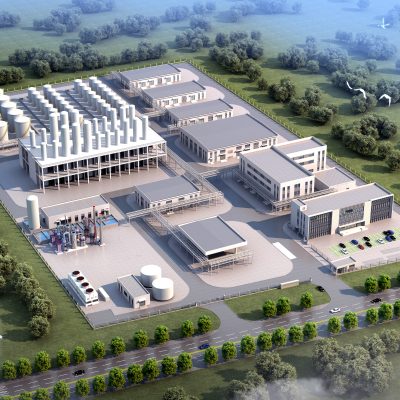
A single production line reaches an annual output of 100,000–200,000 tons, satisfying large-scale and intensive development and aligning with the policy of centralized industrial park layout.
- Flexible Production Tuning
Technical innovations allow the same production line to manufacture multiple grades of finished products.
Sequoia has finalized the standardized design for 100,000 t/a and 200,000 t/a production lines, delivering agile and customized engineering solutions on demand.
Backed by years of experience in process development, equipment design, field commissioning for suspension calcination and cooling systems applied in building materials and solid waste treatment, our team consists of top-tier industry engineering designers.
(II) Guaranteed Technical Performance Indicators
- Heat consumption for light-burned magnesia calcination: ≤ 186 kgce/t (tar deduction included)
- Comprehensive power consumption for light-burned magnesia: ≤ 85 kWh/t
- Total comprehensive energy consumption: ≤ 200 kgce/t (calculated based on 95% CBM)
- NOₓ emission concentration: ≤ 100 mg/Nm³
- Dust emission concentration: ≤ 10 mg/Nm³
- SO₂ emission concentration: ≤ 50 mg/Nm³
- Noise level: fully compliant with current national standards
(III) Projects Verified by Homologous Technical Routes
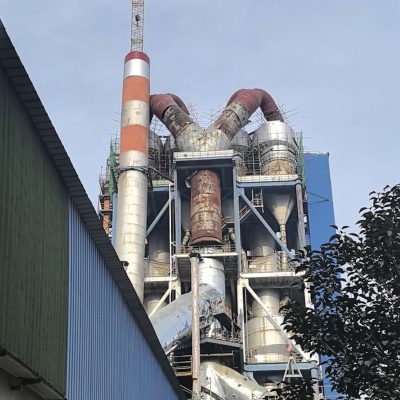
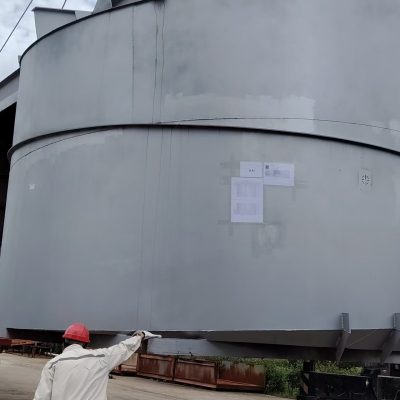
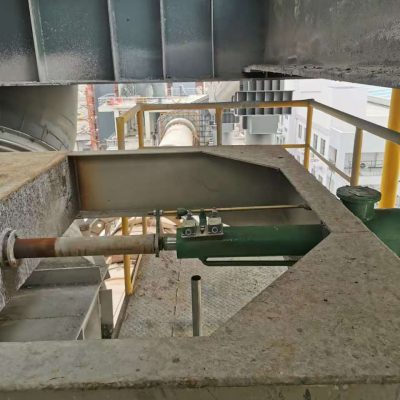
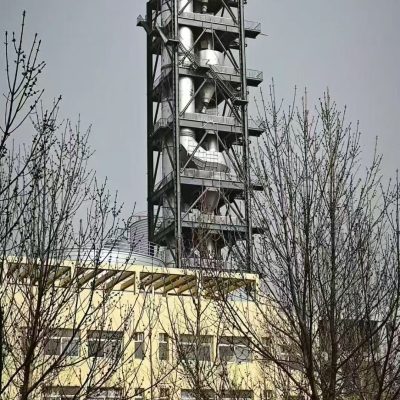
As of December 2025, Sequoia has developed and delivered two complete sets of suspension calcination & cooling systems, with the technology fully verified in practical engineering applications.
An expert in pyroprocess and solidwaste recovery . Responsible for the Marketing and Support of Sequoia Industrial with over 14 years in this field. I am determined that our sustainable products and services will be at the forefront of the solution for the generations to come.

 中文
中文 English


Comments (0)