
 中文
中文 English
Chapter 1 Fundamentals of Membrane Technology
Membrane filtration is a sieving process governed by membrane pore size. Driven by pressure differential across the membrane, the membrane acts as the filter medium. Under applied pressure, when feed liquid flows over the membrane surface, tiny micropores on the membrane only permit water and small molecular substances to pass through as permeate. Substances with particle sizes larger than the membrane pores are trapped on the feed side to form concentrate, thereby realizing separation and concentration of the original feed solution.
Membranes are classified according to pore size as shown below:
Table 1
| Membrane Type | Separation Performance |
|---|---|
| Microfiltration (MF) Membrane | Allows passage of macromolecules and dissolved solids (inorganic salts); intercepts suspended solids, bacteria and high-molecular-weight colloids |
| Ultrafiltration (UF) Membrane | Permits small molecules and dissolved inorganic salts to pass; retains colloids, proteins, microorganisms and large organic molecules |
| Nanofiltration (NF) Membrane | Rejects 20%–98% of dissolved salts; removal efficiency for monovalent soluble ions is lower than that for polyvalent ions |
| Reverse Osmosis (RO) Membrane | Effectively retains all dissolved salts as well as organic and inorganic compounds with molecular weight above 100 Daltons |
Different membrane types deliver distinct separation effects for target contaminants.
Chapter 2 Introduction to VSEP
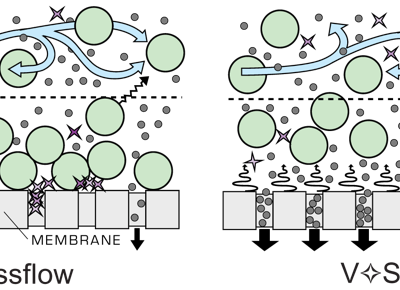
Membrane fouling refers to irreversible deterioration in permeate flux and separation performance caused by adsorption and deposition of particles, colloids or macromolecular solutes on the membrane surface or within pores. Such fouling arises from physicochemical or mechanical interactions between solutes and the membrane, which narrows or blocks pores. Fouling initiates immediately upon contact between feed liquid and membrane, and mainly originates from three mechanisms: concentration polarization, adsorption of large solutes, and agglomeration of adsorbed layers.
Conventional spiral-wound membranes cannot directly treat landfill leachate featuring extremely high BOD, suspended solids and hardness. Biological digestion is commonly adopted to reduce BOD and COD, yet it fails to remove total dissolved solids (TDS), heavy metals and refractory organics, requiring additional chemical dosing. Complicated pretreatment is mandatory to pretreat raw leachate before feeding into standard spiral-wound RO systems, greatly restricting the scope of membrane application.
New Logic has researched drawbacks of traditional membrane technologies for over 30 years and developed targeted solutions. The R&D team identified that high crossflow velocity generates shear force and vibration along bulk flow, but such force cannot effectively act on the membrane surface. To address this, New Logic invented vibratory membrane technology to induce intense shear force directly on the membrane surface.
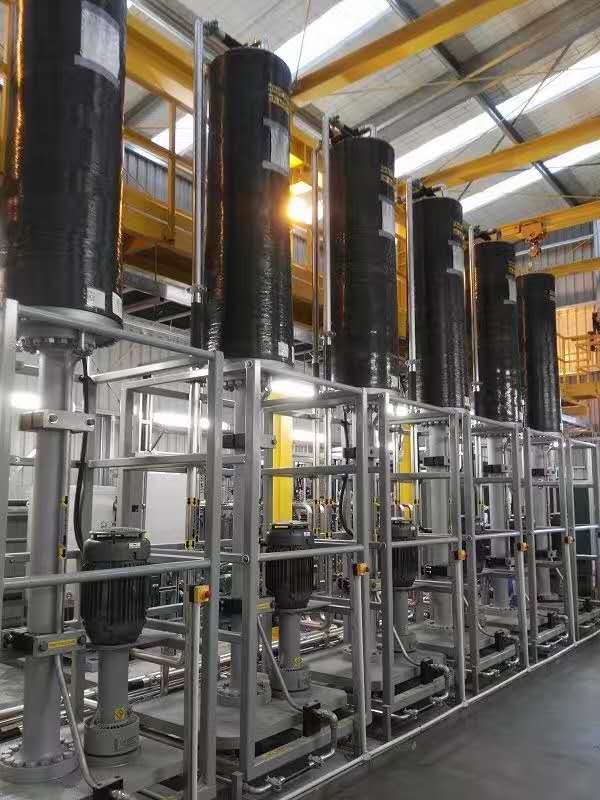
The proprietary membrane module features wide flow channels between adjacent membranes to prevent feed stagnation. A resonance drive system oscillates the entire membrane assembly back and forth at 50 cycles per second, eliminating inherent defects of spiral-wound elements. The open inlet channel ensures unobstructed fluid passage without blockage, establishing pressure difference between inlet and outlet. High shear at the membrane surface inhibits scaling, strips accumulated foulants and carries them away via laminar flow.
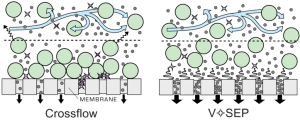
VESP 应用
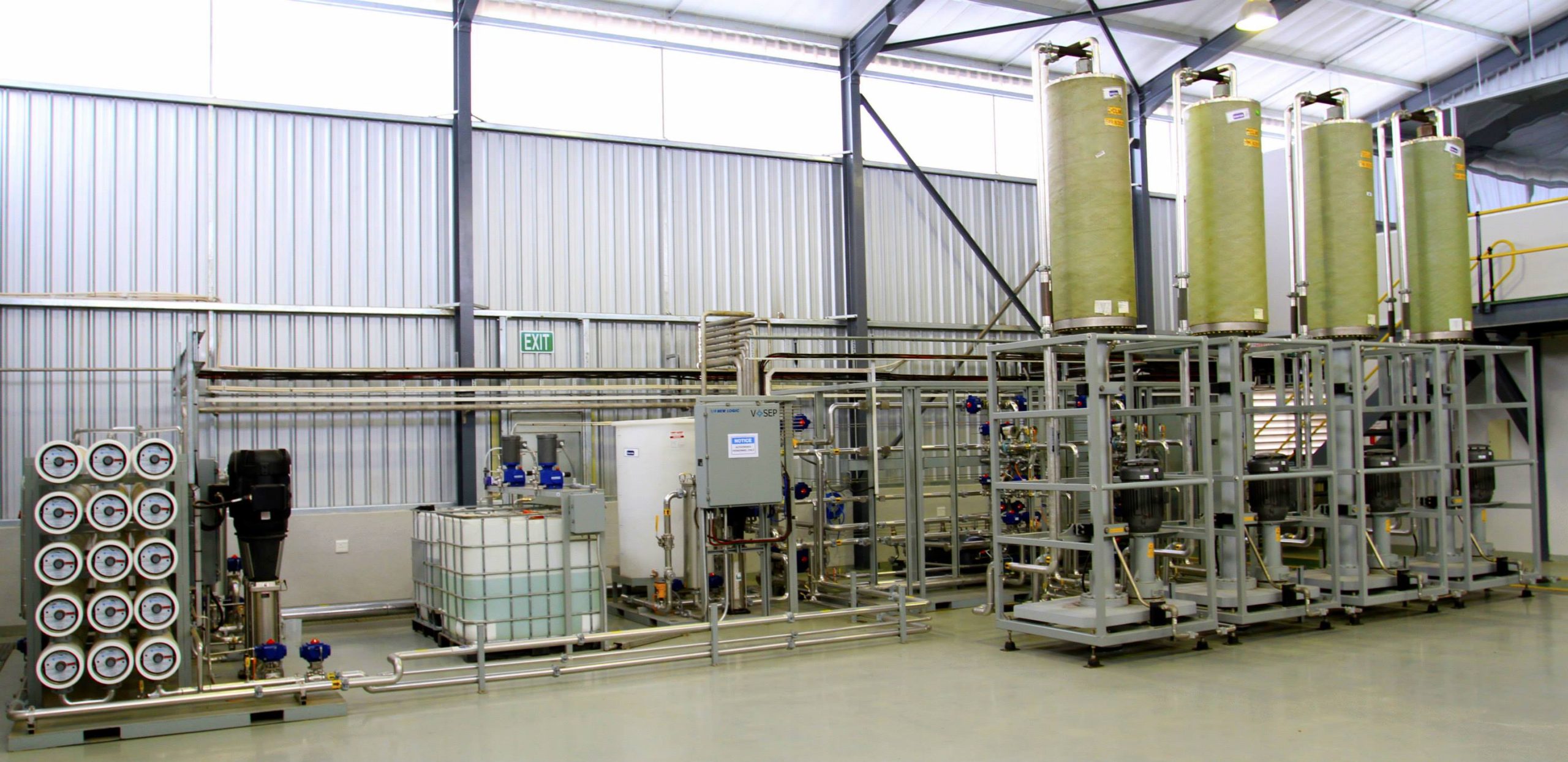
For landfill leachate treatment, VSEP integrates custom vibratory elements based on RO membrane sheets. This unique design overcomes spiral-wound membrane limitations and enables full-membrane-process leachate treatment with minimal pretreatment.
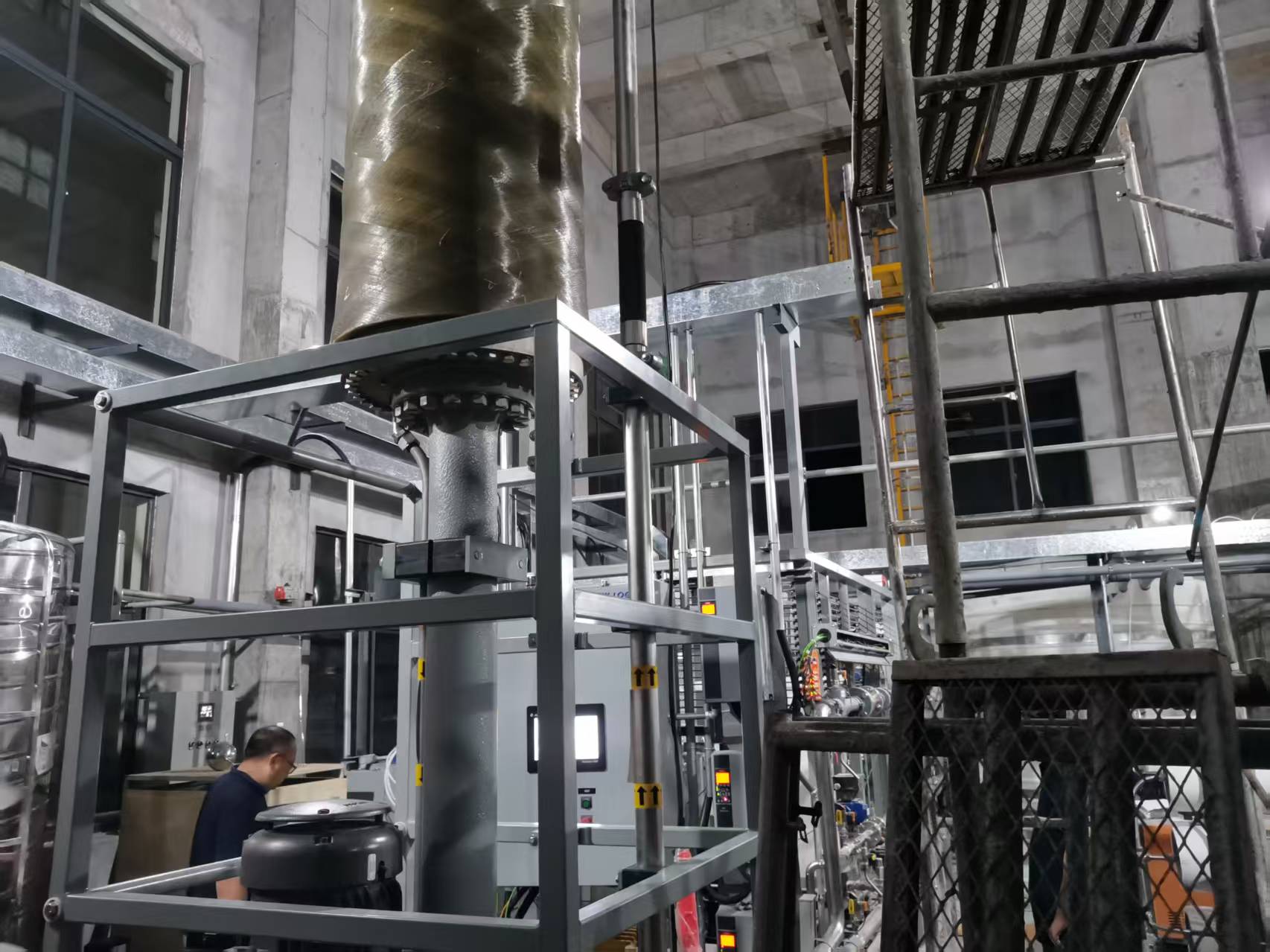
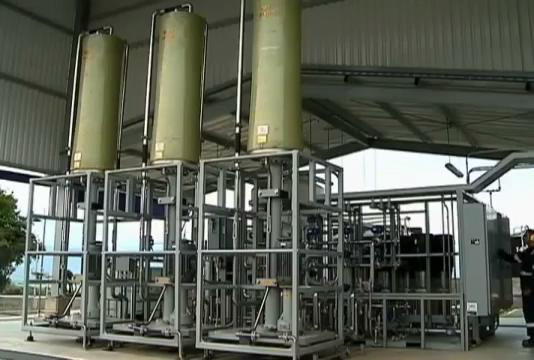
The VSEP system has been applied for nearly 30 years, enabling membrane separation in previously impractical or challenging industrial scenarios. It serves applications where conventional spiral-wound membranes perform poorly or cannot operate directly. New Logic supplies fully automatic VSEP filtration units. Landfill leachate only needs screening through a 100-mesh filter before direct feeding into VSEP for separation. The produced permeate can be further polished by standard spiral-wound RO units to meet discharge or reuse requirements as needed.
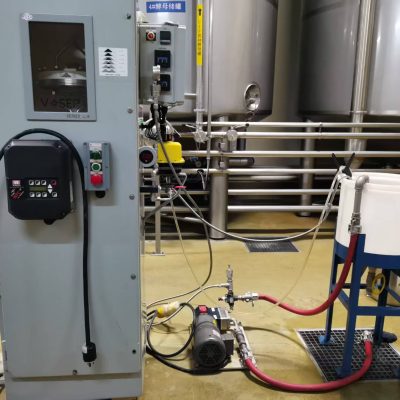
Installation is straightforward with simple pipeline connection: feed contaminated water, output purified effluent. Commissioning and installation take only 5–10 working days, and the system runs immediately upon startup. In contrast, biological treatment systems typically require 30 days to produce qualified effluent and involve complicated startup and shutdown procedures.
Chapter 3 Advantages of the VSEP System
1. Ultra-High Filtration Rate
Membrane separation delivers precise fractionation, high permeate quality, controllable concentrate volume (from micron to molecular level) and broad material compatibility. However, traditional membrane processes suffer from low throughput and high operating costs that limit commercial viability. VSEP achieves filtration rates 10 times higher than competing technologies. It is the only filtration system capable of sustaining high flux continuously regardless of suspended solids loading, bringing membrane separation into mainstream industrial applications.
2. Anti-Fouling & Anti-Clogging Performance
VSEP’s patented vibratory shear technology maintains a clean membrane surface. Intense shear waves generated by high-frequency oscillation eliminate chronic membrane blockage by scouring foulants off the membrane, even for feeds with extremely high solid content. No coagulant addition is required, and energy consumption is far lower than evaporators and biological treatment facilities.
3. Direct Treatment of High-Solids Wastewater
Single-pass treatment simplifies the overall process. VSEP successfully processes highly viscous suspensions with solid content up to 70%. High-frequency vibration generates shear waves that repel solids and contaminants while allowing liquid to freely permeate membrane pores.
4. Superior Energy Efficiency
The resonance drive system achieves an energy-to-shear conversion efficiency of 99%. Energy is concentrated on targeted small areas of the filter surface to maximize efficiency. A typical VSEP unit consumes less than 20 horsepower. By comparison, conventional crossflow filtration only converts roughly 10% of input energy into usable surface shear.
5. Low Lifecycle Operating Cost
- High specific throughput maximizes productivity per unit energy input
- Strong anti-fouling property reduces membrane replacement, cleaning and maintenance expenses
- Single-stage high-concentration operation eliminates chemical dosing steps
- High automation eliminates the need for dedicated on-site operators
Chapter 4 Typical Process Flow for Landfill Leachate Treatment via VSEP
(Process Flow Diagram)
Chapter 5 Domestic Landfill Leachate Project Case (Municipal Solid Waste Landfill in Hubei Province)
Project Overview
- Treatment Capacity: 60 m³/d (24-hour continuous operation)
- Workshop Footprint: 180 m²
- Total Installed Power: 75 kW
- Comprehensive Operating Cost (membrane amortization + electricity + chemical cleaning): ~22 CNY per cubic meter
Influent & Effluent Water Quality Test Results
Table2
| Index | Unit | Raw Landfill Leachate | Final RO Permeate Discharge |
|---|---|---|---|
| COD | mg/L | 34400 | 46 |
| BOD₅ | mg/L | 11500 | 15 |
| Ammonia Nitrogen | mg/L | 1160 | 7 |
| Total Nitrogen | mg/L | 1440 | 12.5 |
| Suspended Solids | mg/L | 3340 | 6 |
| Total Dissolved Solids | mg/L | 22500 | 30 |
Global Reference Customer List
Table 3
| Model & Client | Application | Location | Operating Pressure (psi) | Element Size |
|---|---|---|---|---|
| EV-21 – Yungduk | Landfill Leachate Treatment | South Korea | 550 | 84″ |
| EV-21 – Ulgin | Landfill Leachate Treatment | South Korea | 500 | 84″ |
| Shoosmith Bros. | Landfill Leachate Treatment | Virginia, USA | 500 | 84″ |
| Waste Management | Landfill Leachate Treatment | Canada | 500 | 84″ |
| TSS International | Landfill Leachate Treatment | Mexico | 500 | 36″ |
| Proactiva – Buga | Landfill Leachate Treatment | Colombia | 500 | 84″ |
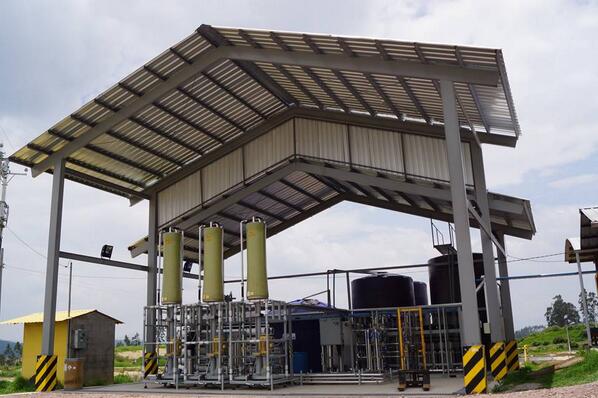
| Inga Landfill | Landfill Leachate Treatment | Ecuador | 500 | 84″ |
| Panama Landfill | Landfill Leachate Treatment | Panama | 500 | 84″ |
| Panama Landfill (Expansion) | Landfill Leachate Treatment | Panama | 500 | 84″ |
| Inga Landfill (Expansion) | Landfill Leachate Treatment | Ecuador | 500 | 84″ |
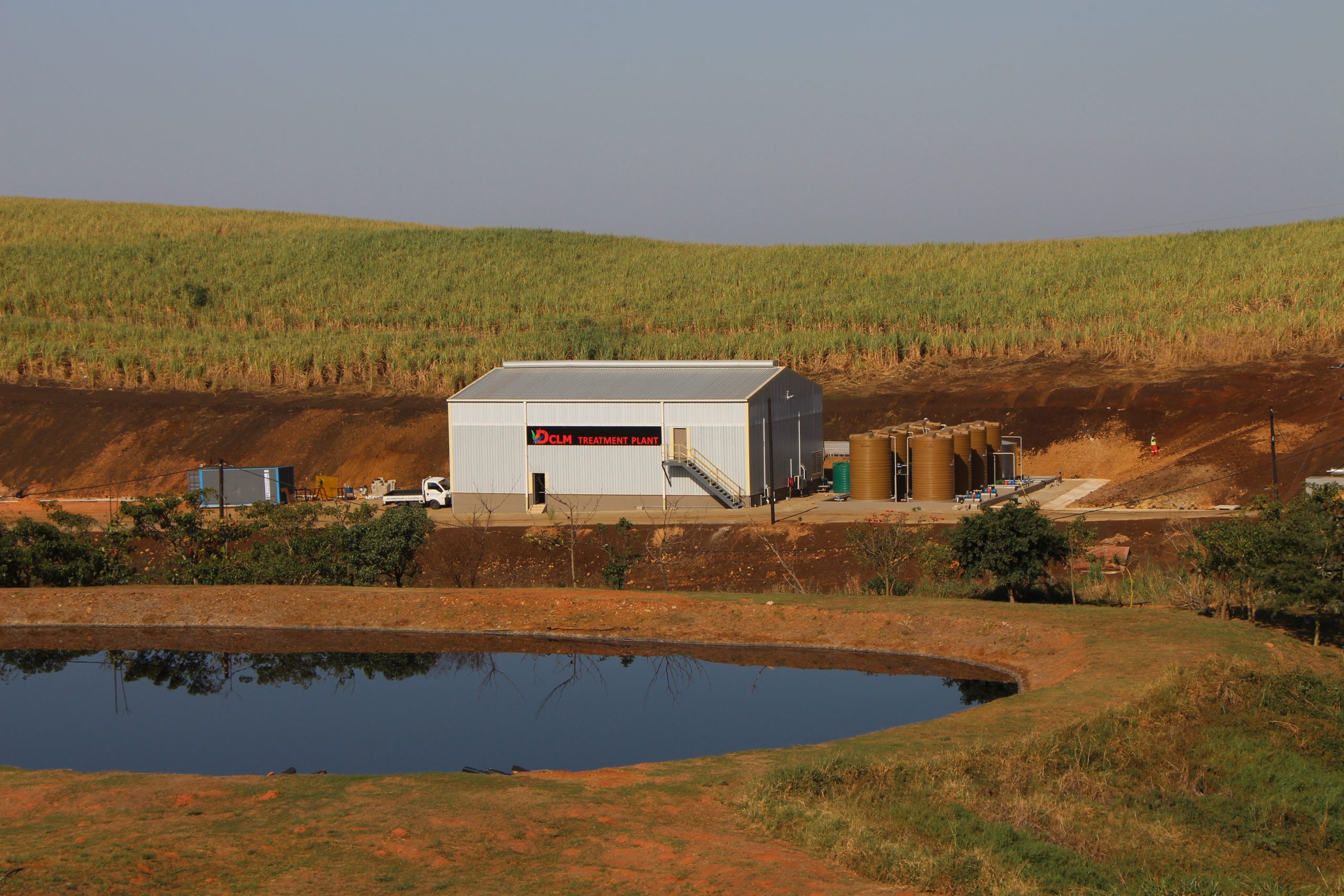
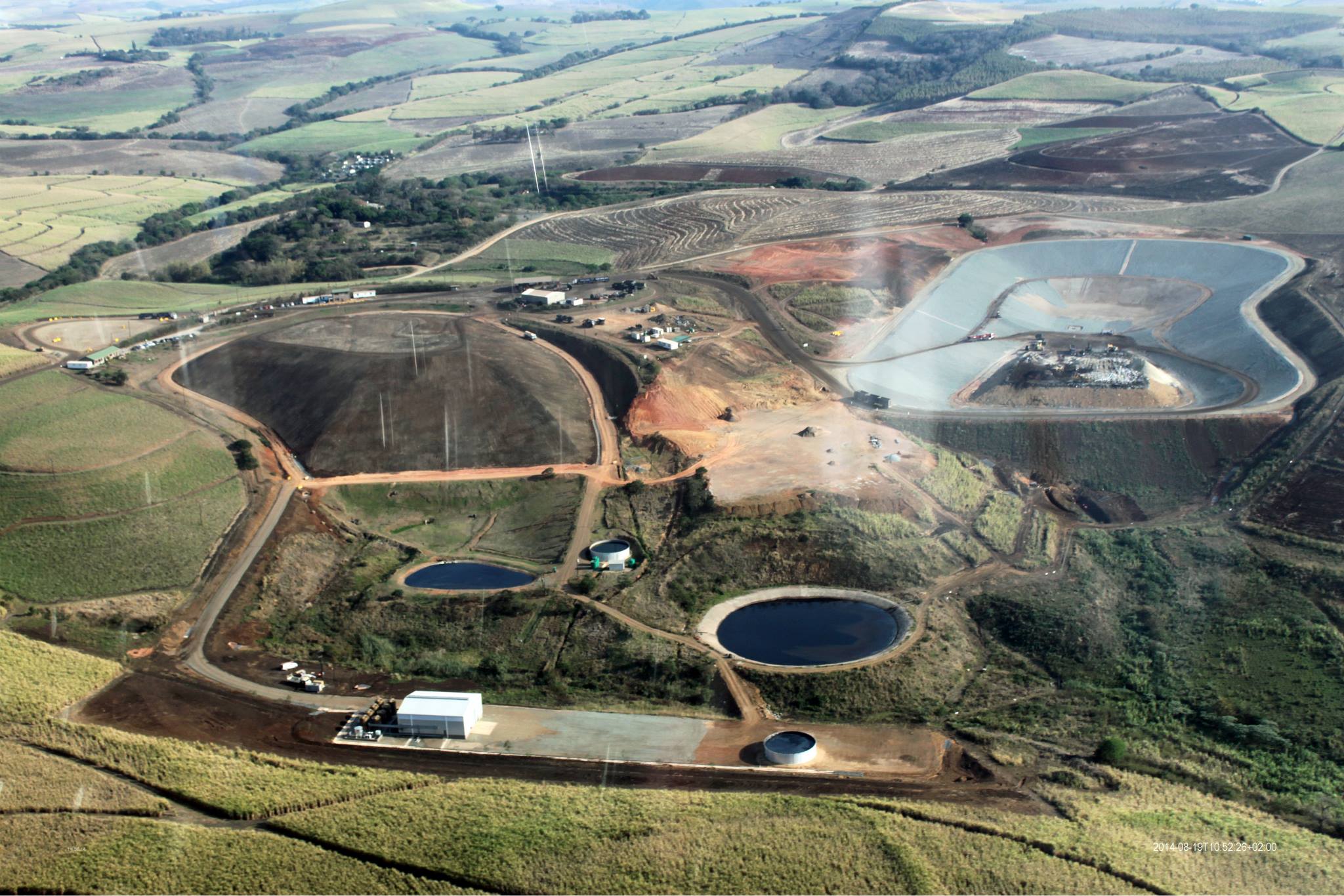
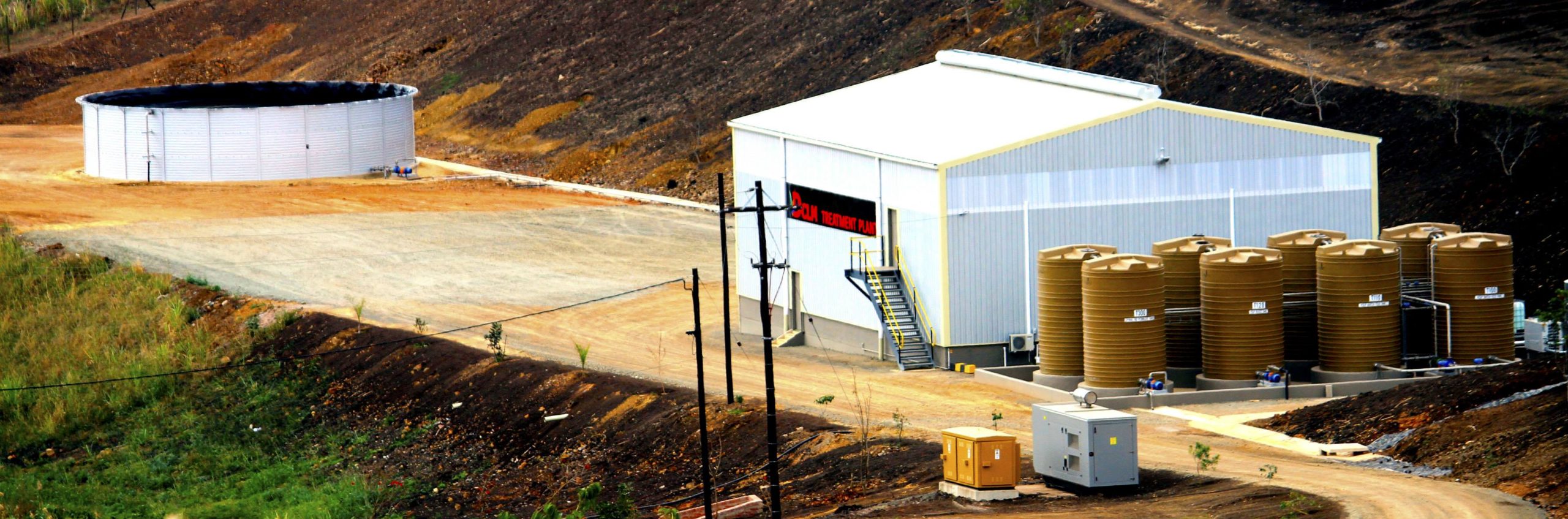
| Dolphin Coast | Landfill Leachate Treatment | South Africa | 900 | 72″ |
| Ethos | Landfill Leachate Treatment | Ireland | 500 | 84″ |
| Inga Landfill (Expansion) | Landfill Leachate Treatment | Ecuador | 500 | 84″ |
| Panama Landfill | Landfill Leachate Treatment | Panama | 500 | 84″ |
| Envirowaste | Landfill Leachate Treatment | New Zealand | 500 | 84″ |
| Santo Domingo | Landfill Leachate Treatment | Ecuador | 500 | 84″ |
| Cali Landfill | Landfill Leachate Treatment | Colombia | 500 | 84″ |
| Gezhouba | Fresh Landfill Leachate | China | 700 | 84″ |
| St Louis County | Landfill Leachate Treatment | Minnesota, USA | 500 | 84″ |



Comments (0)